The Gates of Fear
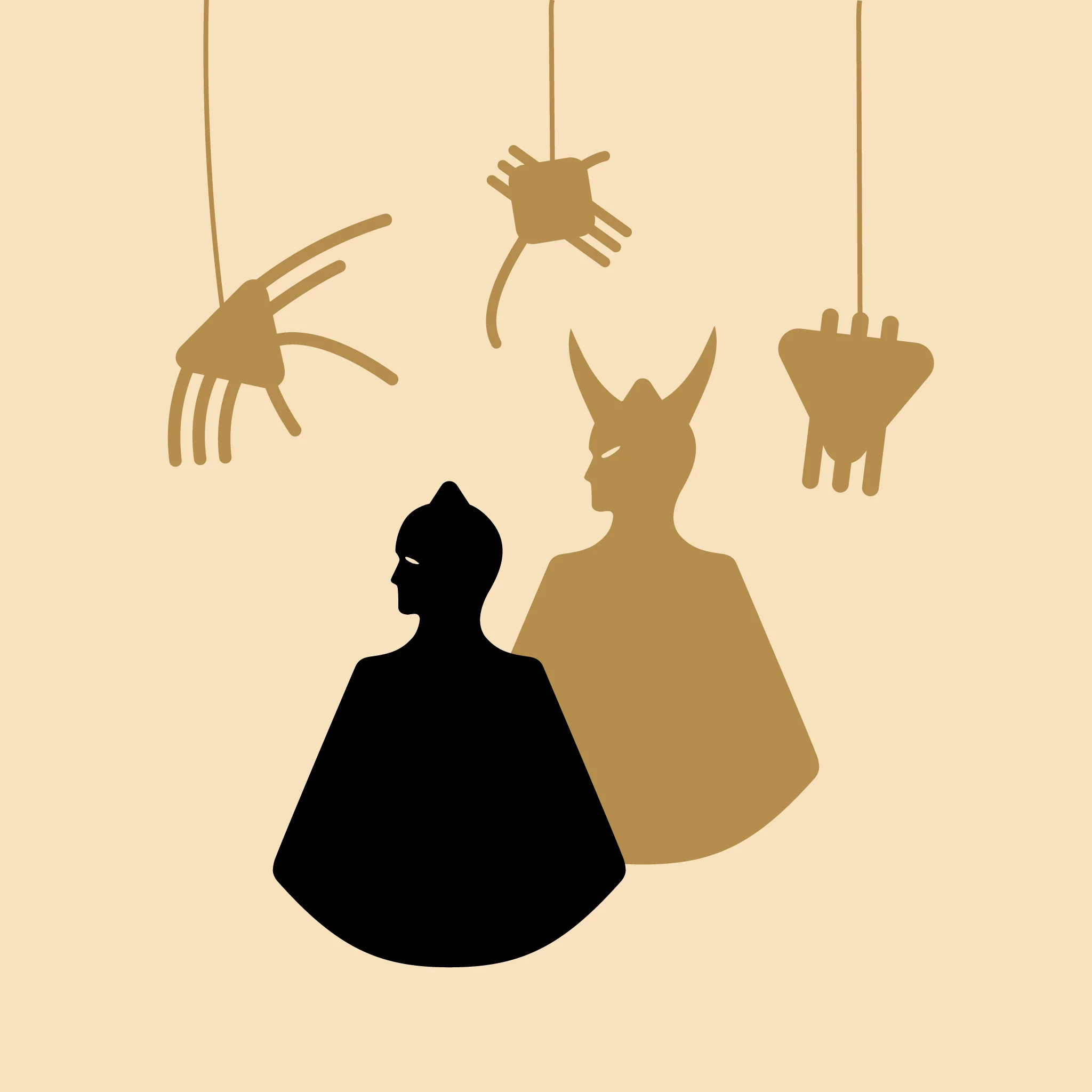
Fear is a primal response, one that is instinctive and often beyond reason or understanding. When faced with sudden threat, our bodies react to fear by going into protection mode — what some refer to as “fight or flight” — by releasing adrenaline and increasing heart rate, blood pressure and breathing rate. This deep and ancient fear goes back to a time before we were human, and these physical responses have aided us in fighting what threatened us, or in running away.
But as we evolved, so did other types of fear — more subtle and more lingering, such as mental anxiety over futility or chaos. These fears don’t trigger an immediate bodily response, but rather may lurk at the edges of our thoughts during the day and lead to sleepless nights.
Whether we experience fear as an immediate threat or a lingering concern, it is an unpleasant feeling. Certainly fear can be useful, warning us of a threat to our survival. But fear can also take over our lives in a way that seems to have no useful purpose, robbing us of our focus and peace of mind, and leading to feelings of helplessness.
Such unpleasant feelings can make us believe we must be doing something wrong, or fear wouldn’t be so overwhelming. But, as Ra Uru Hu says, no human being is free of fear, fear is simply part of the human process. In this new release, The Gates of Fear, Ra expands upon the different types of fear, and how they operate.
We get to look at the nature of fear through the Fear Gates found in the Spleen, Ajna and Solar Plexus. These three Centers hold fears that are of the body, of the mind, or emotional, and for each there are specific approaches to recognizing and managing these fears.
As Ra explores the nature of each type of fear, it becomes clear that fears can be debilitating when approached through the Not-Self; but they actually benefit us if we rely on our Strategy. When we are living out our nature, fears attune us to greater potential in ourselves and others, and inform our expanding and evolving awareness.
What would it mean if you could transform your relationship with fear in a way that was true to your Design? The Gates of Fear is a newly released one-hour audio plus eBook transcript (here's an excerpt). Discover what changes for you when you understand fear as an element of your journey as a human being living out your Design. Open the Lessons tab for an overview of the 3 Types of Fear.
“By being the student that is there in your Definition, by not being the Not-Self, whatever aspect you carry within you is going to operate correctly. It is not about being overwhelmed by such a fear, but about being enriched by its capacities.” — Ra Uru Hu, The Gates of Fear
Original: $19.00
-65%$19.00
$6.65Product Information
Product Information
Shipping & Returns
Shipping & Returns
Description
Fear is a primal response, one that is instinctive and often beyond reason or understanding. When faced with sudden threat, our bodies react to fear by going into protection mode — what some refer to as “fight or flight” — by releasing adrenaline and increasing heart rate, blood pressure and breathing rate. This deep and ancient fear goes back to a time before we were human, and these physical responses have aided us in fighting what threatened us, or in running away.
But as we evolved, so did other types of fear — more subtle and more lingering, such as mental anxiety over futility or chaos. These fears don’t trigger an immediate bodily response, but rather may lurk at the edges of our thoughts during the day and lead to sleepless nights.
Whether we experience fear as an immediate threat or a lingering concern, it is an unpleasant feeling. Certainly fear can be useful, warning us of a threat to our survival. But fear can also take over our lives in a way that seems to have no useful purpose, robbing us of our focus and peace of mind, and leading to feelings of helplessness.
Such unpleasant feelings can make us believe we must be doing something wrong, or fear wouldn’t be so overwhelming. But, as Ra Uru Hu says, no human being is free of fear, fear is simply part of the human process. In this new release, The Gates of Fear, Ra expands upon the different types of fear, and how they operate.
We get to look at the nature of fear through the Fear Gates found in the Spleen, Ajna and Solar Plexus. These three Centers hold fears that are of the body, of the mind, or emotional, and for each there are specific approaches to recognizing and managing these fears.
As Ra explores the nature of each type of fear, it becomes clear that fears can be debilitating when approached through the Not-Self; but they actually benefit us if we rely on our Strategy. When we are living out our nature, fears attune us to greater potential in ourselves and others, and inform our expanding and evolving awareness.
What would it mean if you could transform your relationship with fear in a way that was true to your Design? The Gates of Fear is a newly released one-hour audio plus eBook transcript (here's an excerpt). Discover what changes for you when you understand fear as an element of your journey as a human being living out your Design. Open the Lessons tab for an overview of the 3 Types of Fear.
“By being the student that is there in your Definition, by not being the Not-Self, whatever aspect you carry within you is going to operate correctly. It is not about being overwhelmed by such a fear, but about being enriched by its capacities.” — Ra Uru Hu, The Gates of Fear